Proudly serving Miami neighborhoods: Miami Shores, Upper Eastside, Brickell, Midtown, Wynwood, Edgewater & Miami Beach.
Text Us to confirm your neighborhood.

Why Your Cat’s Behavioral Health Matters More Than You Think

Cat health isn’t just physical. Behavior, routine, and daily patterns often tell us more about a cat’s wellbeing than we realize — especially when their people are away
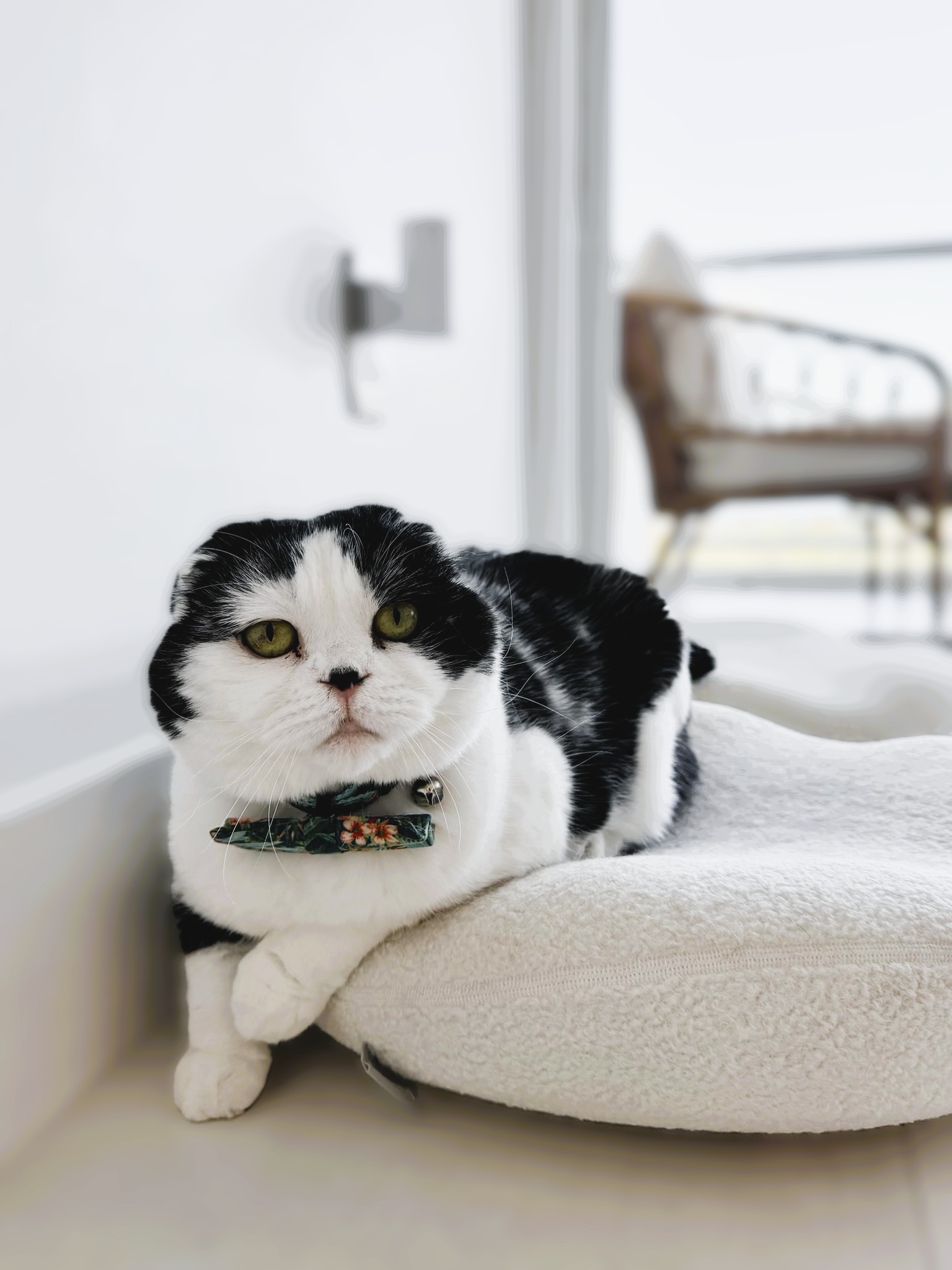
Relaxed black and white cat resting on a cushion at home, showing calm body language and comfort in a familiar environment.

February is National Cat Health Month, and if you’re just learning that now, you’re not alone. Many cat parents don’t realize this month exists — which makes it a good opportunity to talk about an often-overlooked part of feline wellness: behavioral health.

When we think about keeping cats healthy, we usually focus on food, annual vet visits, and medical care. Those things matter. But a cat’s emotional wellbeing — how safe, settled, and supported they feel day to day — plays a much bigger role in their overall health than many people realize.

As a full-time professional cat sitter in Miami, I’ve cared for over 700 cats and supported hundreds of pet parents over the years. When you see that many cats in their own homes, patterns start to emerge. And one of the clearest patterns is this: when a cat’s behavior changes, it’s usually trying to tell us something.

Behavioral Health Is Often the First Clue

Behavioral health isn’t about “fixing bad behavior.” It’s about paying attention to how cats respond to changes in their environment and routine.

Cats are creatures of habit. They feel safest when their world is predictable. When that predictability is disrupted — even by things that seem minor or temporary — stress can build quietly over time.

Veterinarians increasingly recognize stress as a contributing factor in common feline health issues, especially bladder and urinary tract conditions which can lead to or exacerbate existing kidney issues. These problems don’t usually appear out of nowhere. More often, they follow subtle changes that start weeks or even months earlier.

That’s why behavioral health is so important. It’s often the earliest signal that something isn’t quite right.

The Early Signs of Stress Are Easy to Miss

When people think about stress in cats, they often picture the big, obvious signs — peeing outside the litter box, destructive behavior, or extreme withdrawal. Those things do happen, but they’re usually later signs.

In real life, stress shows up much more quietly, especially when a cat’s main caretaker is away.

The first places I look are eating, digestion, and elimination.

Small Changes in Eating Matter

Stress can affect a cat’s appetite and digestion before anything else seems wrong.

That might look like:

  • Eating a little less than usual
  • Skipping a meal they normally don’t skip
  • Eating more slowly 
  • Leaving food behind when they’re typically consistent

Conversely, stress can also show up on the other end of the spectrum. Some cats may:

  • Overeat or eat too quickly

  • Vomit more often than usual after meals

  • Leaving food behind when they’re typically consistent


Both patterns matter. The key isn’t whether a cat eats more or less — it’s noticing when their normal pattern changes.

Many pet parents — especially those caring for seniors, cats with health concerns, or those prone to anxiety — already pay close attention to daily food intake. When they’re away, this is where partnering with a professional pet sitter can be especially helpful.

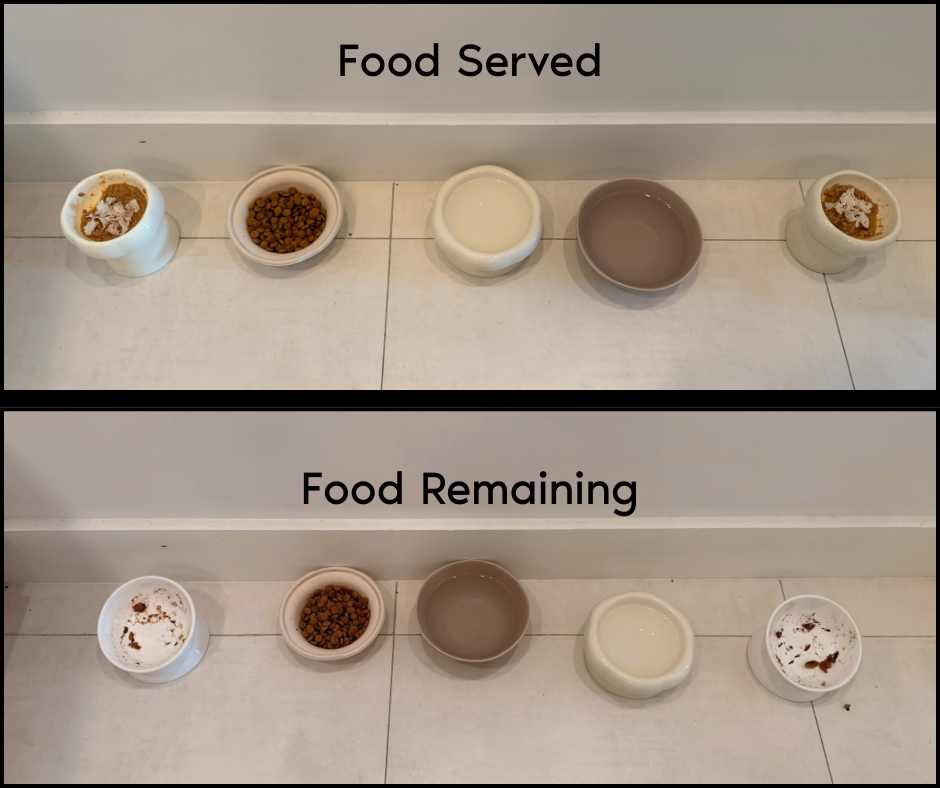
Before and after view of cat food bowls showing food served and food remaining to monitor changes in appetite

During visits, food intake can be monitored in simple, practical ways. Measuring how much food is served, noting how much remains, and sharing that information in daily visit reports helps create a clear picture over time. I do this for every cat in my care, tailoring how I track intake to the situation — whether that’s before-and-after photos or exact measurements — based on what gives the pet parent the clearest picture.

These small details aren’t overkill. They’re often the first clue that stress is affecting a cat.

Digestion and Daily Bowel Movements Tell a Story

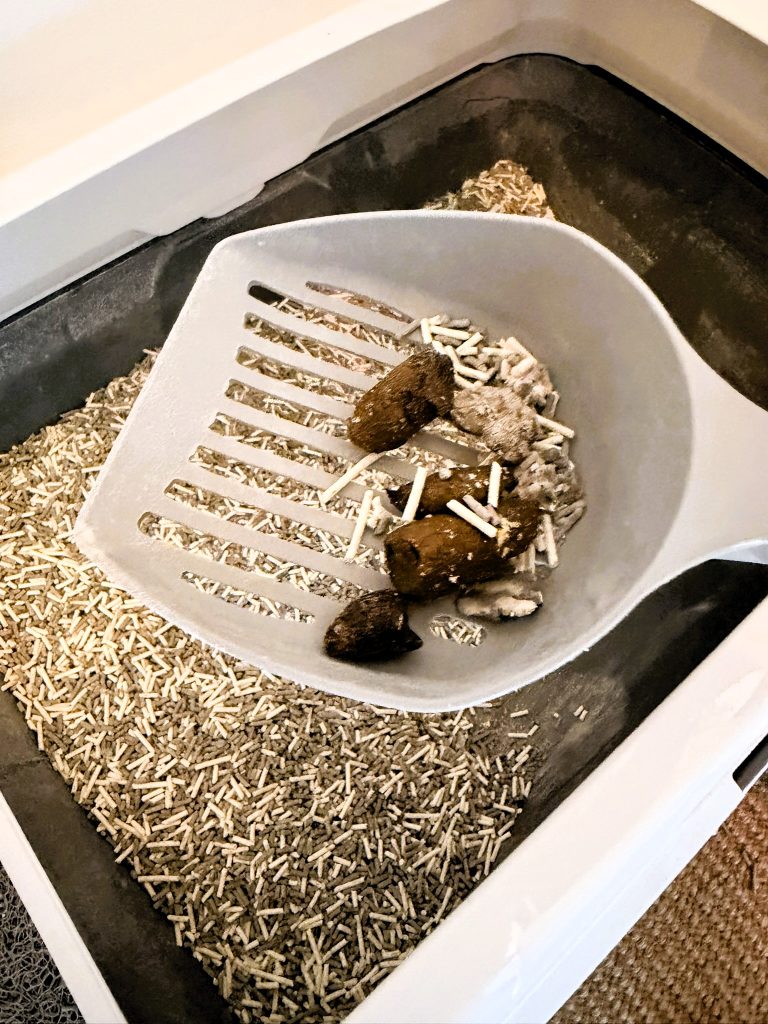
Cat litter box scoop showing normal bowel movements used to monitor digestion and elimination patterns

One of the quieter things I pay attention to — and one of the easiest things to miss — is whether a cat is pooping regularly.

When stress and anxiety creep in, a cat’s body can start to slow down. They may still be eating but not digesting food as efficiently. Sometimes the change is subtle: stools are smaller, harder, or less frequent. Other times, a bowel movement is simply missing for a day.

As a sitter, I notice this quickly because I’m checking litter boxes daily. If I don’t see a poop in a day, I’m already paying closer attention. If two days pass with no bowel movement, that’s no longer something to wait and see — it’s time to reach out and escalate the conversation.

Most healthy cats will have a bowel movement roughly every 24 to 36 hours. When more than 48 hours pass without one, that’s a clear signal to check in with a veterinarian, especially if it’s paired with other changes like reduced appetite, lethargy, or signs of discomfort.

This isn’t something that only applies to senior cats or cats with known health issues. Regular digestion matters for every cat, at every stage of life.

Monitoring doesn’t mean panicking. It means noticing changes early and communicating them before a minor issue turns into a medical one.
Eating, Drinking, Peeing, and Pooping Are All Connected

These systems don’t operate in isolation.

When a cat is stressed, they may:

  • Drink less water
  • Urinate less frequently
  • Or, in some cases, urinate more
  • frequently


Changes in hydration can quickly affect digestion and urinary health, particularly in cats with preexisting kidney or urinary issues. That’s why consistent observation matters so much — especially when a cat’s people are away.

Why Stress Often Shows Up When Families Are Away

When a cat’s main caretaker leaves, stress doesn’t always show up as dramatic behavior. More often, it looks like:

  • Slightly reduced appetite

  • A missed poop

  • Subtle changes that only make sense when someone is paying attention every day

This isn’t about guilt or doing something wrong. It’s about understanding how sensitive cats are to routine and presence.

Cats don’t “get used to being alone” in the way people sometimes assume. For many cats, prolonged disruption to routine can cause stress to compound quietly over time.

Routine Is One of the Most Powerful Tools We Have

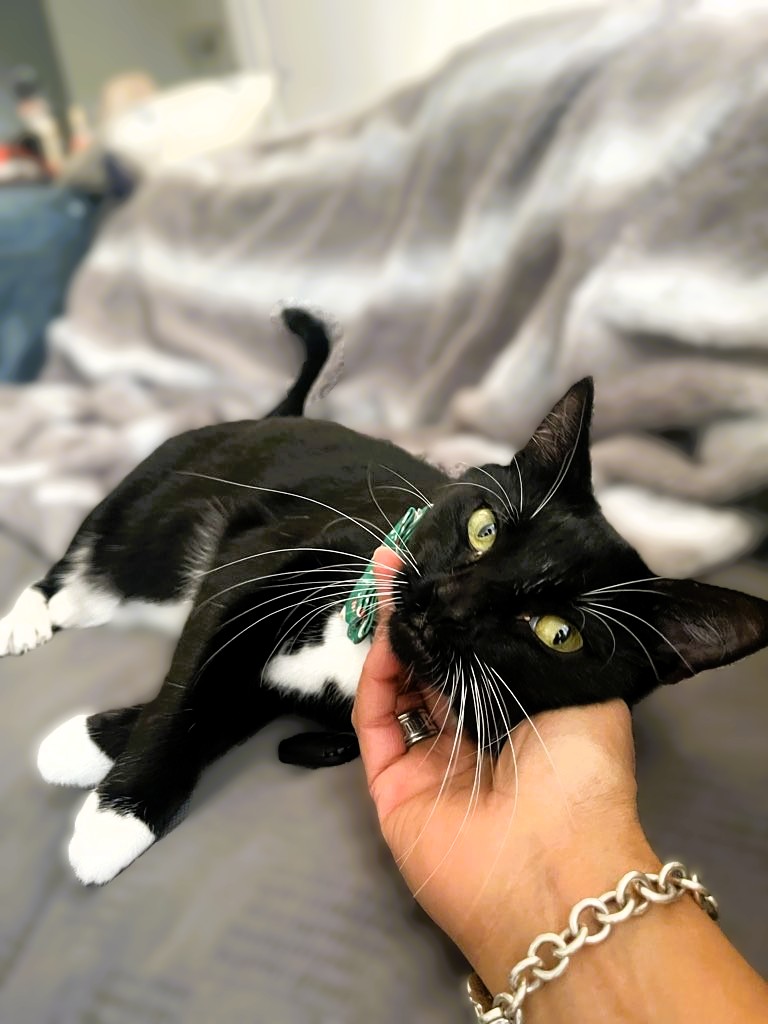
Black and white cat named Dito resting calmly with gentle hand contact, showing relaxed companionship and routine care at home

Routine provides safety. For cats, predictability is grounding.

Key routines that support behavioral health include:

  • Meals served at consistent times
  • Predictable interactive play, even if brief
  • Daily companionship or quiet connection
  • Familiar cues that signal the start and end of the day

When behavioral changes show up, punishment only increases stress. It doesn’t resolve the underlying issue.

A more helpful question is simply: What changed?

Often, restoring or protecting routine is one of the most effective ways to reduce anxiety and support a cat’s overall wellbeing.
Enrichment Supports the Mind, Not Just the Body

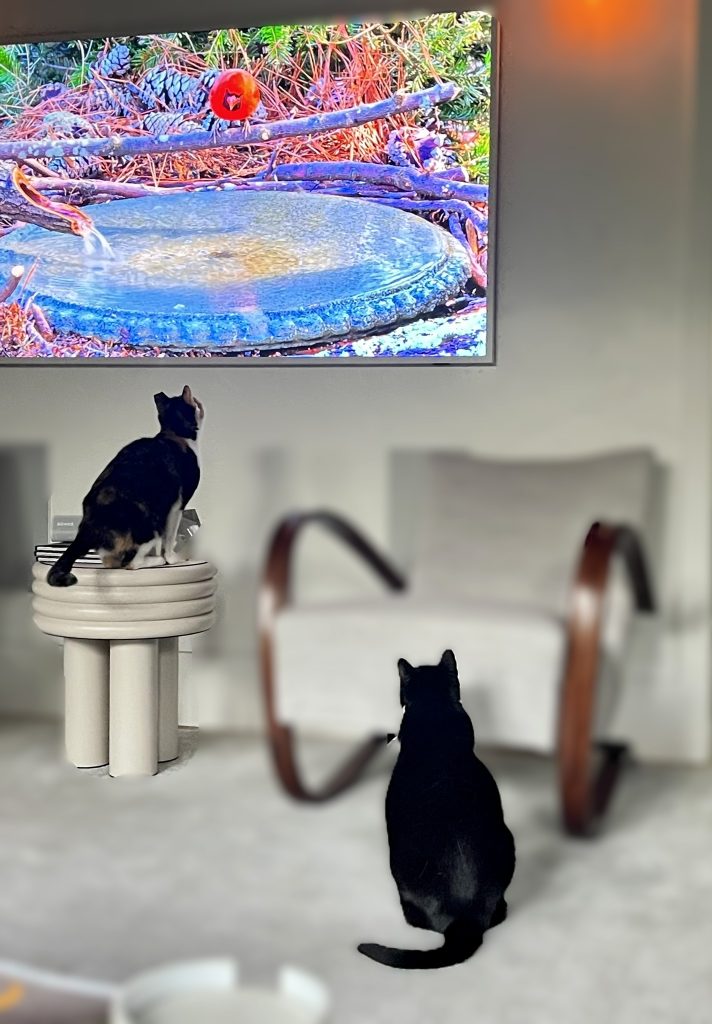
Two cats watching Miami Cat TV on a screen, showing mental enrichment and visual stimulation without physical activity

Environmental enrichment isn’t extra — it’s essential.

Mental engagement helps cats process stress, maintain confidence, and express natural behaviors in healthy ways. Research has shown that stress reduction combined with enrichment can be more effective than dietary changes alone for managing certain stress-related conditions.

Enrichment doesn’t have to be complicated. It can be as simple as:

  • Interactive play sessions
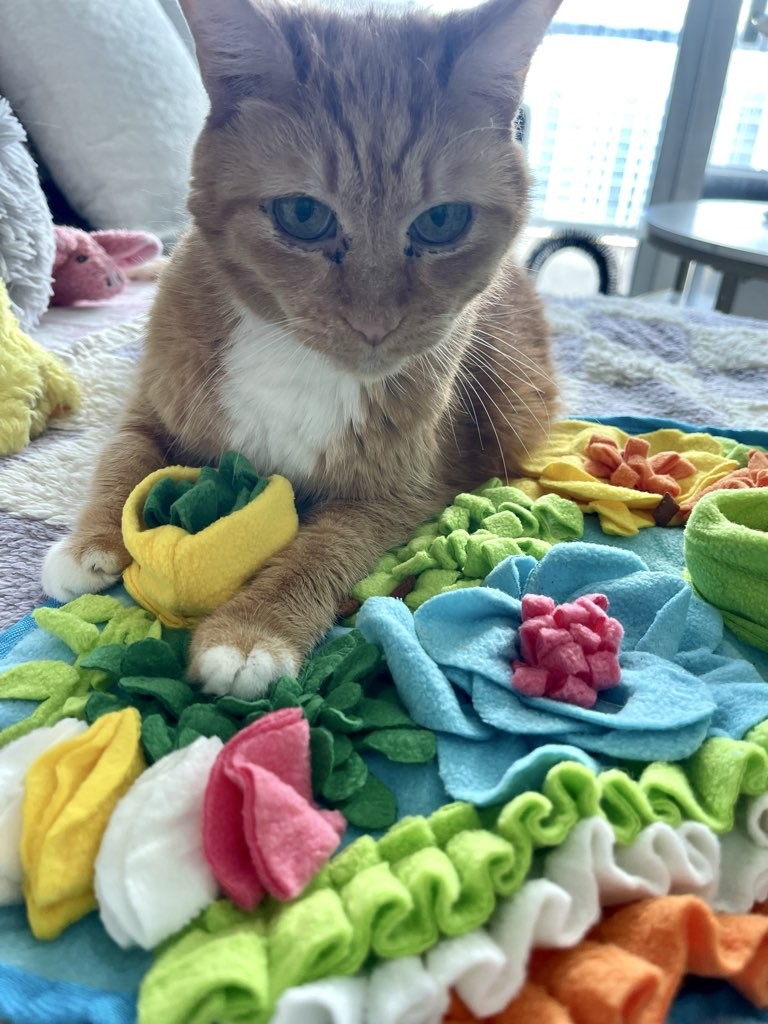
  • Food puzzles or scavenger-style feeding
  • Window watching opportunities or Cat TV videos such as our Miami Cat TV YouTube channel
  • Safe, familiar resting spaces

The goal is engagement without overwhelming and stimulation without pressure.

Supportive Tools Can Help — When Used Thoughtfully

Feline facial pheromones can be a helpful support tool for some cats, especially during transitions or periods of change.

These pheromones mimic the natural scent cats leave when they rub their faces on objects — signals of familiarity and safety. Diffusers or sprays can help support a calmer environment when routines are disrupted.

A couple of options I keep on hand include:


It’s important to note that these are different from maternal pheromone products, which are designed to support harmony in multi-cat households. Facial pheromones are about helping an individual cat feel more settled in their space.

They aren’t a replacement for routine or enrichment, but they can be a helpful part of a broader stress-reduction approach.

Thoughtful Care Matters Most When You’re Away

When families travel, maintaining consistency becomes even more important.

Working with a species-focused, professional cat sitter allows a cat’s daily rhythm to stay as close to normal as possible. It also means subtle changes in eating, digestion, hydration, or behavior are noticed early — not after they’ve escalated.

This kind of care isn’t about hovering.

It’s about paying attention.

Awareness Is an Act of Care

Behavioral health isn’t about perfection. It’s about noticing patterns, responding early, and supporting cats through change with intention.

Our cats won’t be with us forever. Understanding their behavior allows us to give them more comfortable, supported lives while they are.

National Cat Health Month is a reminder that caring for cats means caring for both their bodies and their minds.

Share:

Subscribe to Our Newsletter

Sign Up and Receive Updates on Our Events, New Posts, or Exclusive Offers.

More Posts

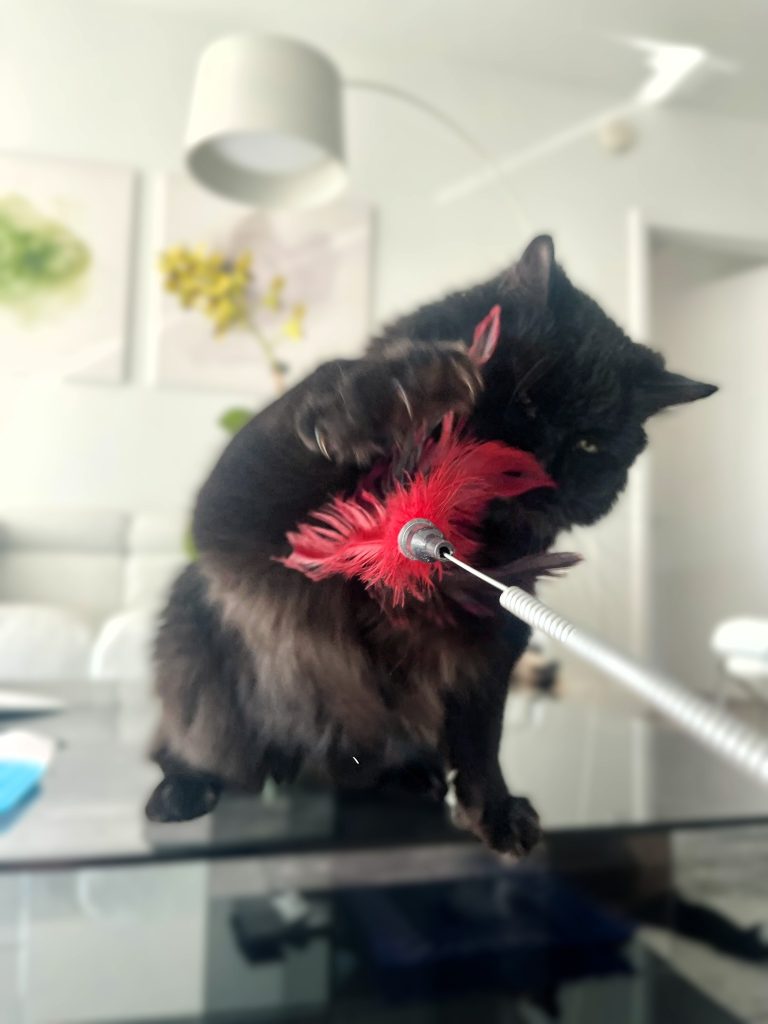
Black cat named Licorice playing with red feather wand toy during interactive enrichment visit in Miami.

Why Playtime Matters Mind-Body Benefits of Interactive Cat Play

Playtime isn’t just about exercise—it’s how cats connect their minds and bodies, build confidence, and strengthen their bond with you. In this post, we explore why interactive play is so powerful, the role of routine in keeping cats happy, and our favorite toys to spark joy (and hunting instincts) every day.

Leave a Reply

Your email address will not be published. Required fields are marked *

Essential Care 30-Minute Visit

A reliable 30-minute check-in covering your cat’s core needs — meals, fresh water, litter box care, and a brief wellness check. A flexible visit that helps maintain routine and comfort between longer visits or during travel days.

Perfect For

  • A mid-day check-in while you’re at work or traveling.
  • A quick early-evening refresh before a later visit.
  • Adding support between main visits for cats who benefit from extra touchpoints.


What’s Included

Meals & fresh water
Litter box maintenance
Brief socialization & light playtime
Routine monitoring & wellness check

A simple, steady way to keep your cat’s routine on track — especially when paired with other services.

Priced for 1 cat; +$5 per additional cat when booked as a stand-alone service.